
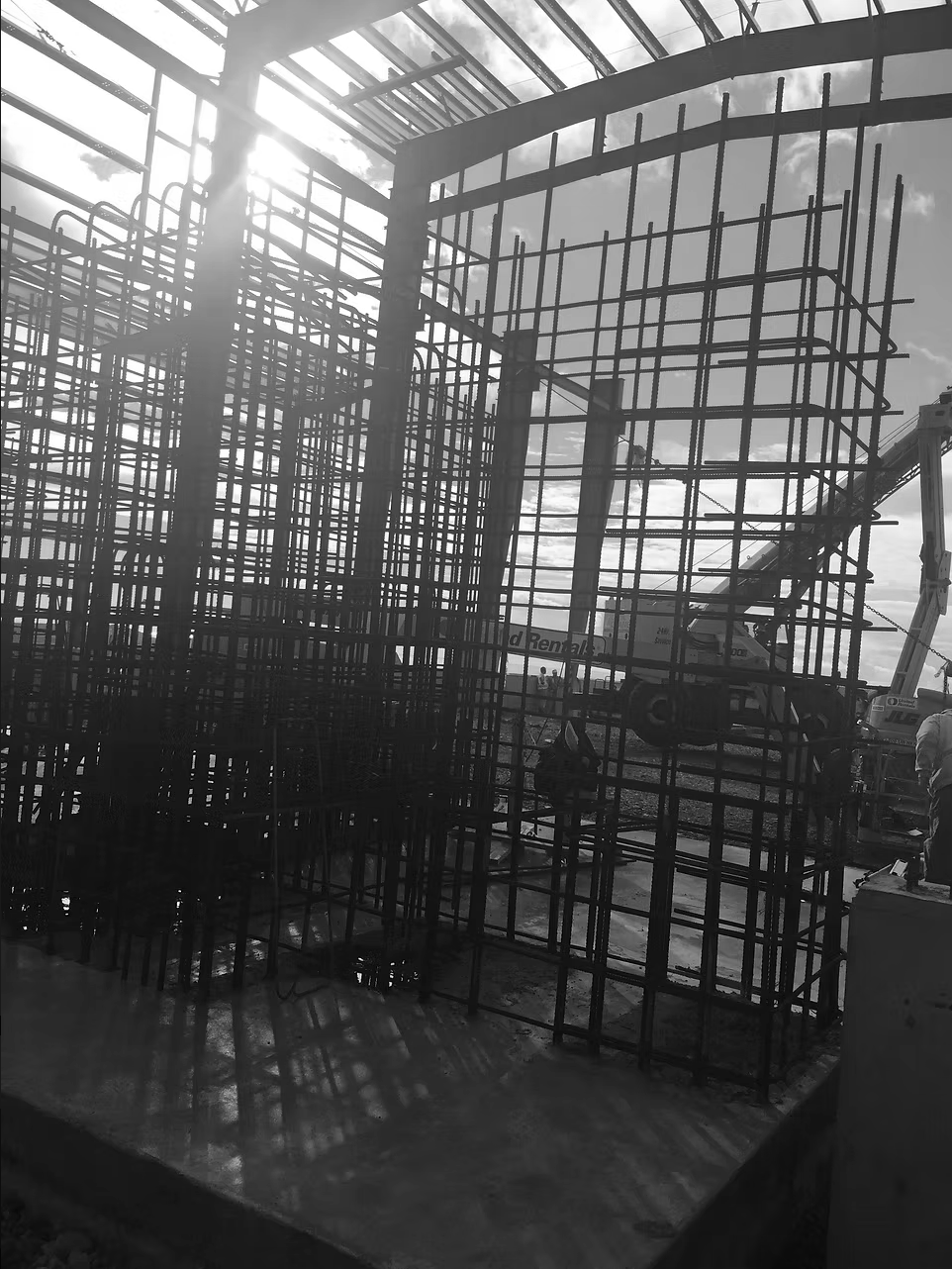
How we keep complex concrete under control
Every project has its own constraints: live operations, tight windows, tricky access, multiple scopes. Our job is to make those manageable. SWCL uses a simple, disciplined process, so you always know what’s happening, when, and how it affects the rest of your project.
A clear plan before day one.
01
Get clear on what your project needs are.
We start by reviewing drawings, constraints, and how our work interfaces with other trades. You’ll see exactly what we’re taking on, what we’re not, and where we see risk or value-engineering opportunities.
Assumptions, exclusions, and dependencies are captured up front so there’s no grey area once work starts.
Highlights:
Review of drawings, specs, and geo-tech
Identification of interfaces with other trades
Risks and scheduling conflicts flagged early
Clear scope definition and responsibilities
02
Design how the site will actually run.
Next, we design how the work runs around your people and the public: access and egress, traffic control, delivery windows, permits, and housekeeping.
Highlights:
Site access, egress, and lay-down areas
Traffic control and pedestrian routes
Permits (confined space, hot work, etc.)
03
Lock in dates That you can build around.
We set realistic dates for pours, curing, and hand-back with contingencies for weather and change.
Milestones are coordinated with your key activities and other trades so you can plug our schedule straight into the rest of your project plan and report upwards with confidence.
Highlights:
Pour and cure dates aligned with your milestones
Float and weather contingency consideration
Clear turnover points for each area/scope
Final documentation and close-out expectations
Frequently Asked Questions
GOT A QUESTION?If it’s on your mind, you’re not the first. Here are some of the questions we’re most often asked about how we plan, price, and deliver concrete on real projects.
-
We focus on commercial, civil & industrial, and tenant improvement projects—work where planning, coordination, and safety matter as much as strength. If there are tight timelines, live operations, or multiple scopes to manage, that’s usually a good fit.
-
Earlier is always better. If we can review drawings and constraints while you’re still planning, we can flag risks, suggest value-engineering options, and help you build a more realistic schedule before concrete becomes the critical path.
-
Yes. A lot of our work happens in live plants, public spaces, and occupied buildings. We plan access, traffic, permits, and housekeeping up front so the site stays safe and as operational as possible while the concrete work is done.
-
Ideally: drawings, any geo-tech reports, project location, target dates, key constraints (live operations, tight windows, access issues), and any known staging or safety requirements. If those aren’t fully defined, we can still provide budget ranges and assumptions.